Indian opposition marches to court over voter-list revision
Opposition parties say India’s electoral roll review risks excluding legitimate voters, while officials reject allegations of political manipulation.
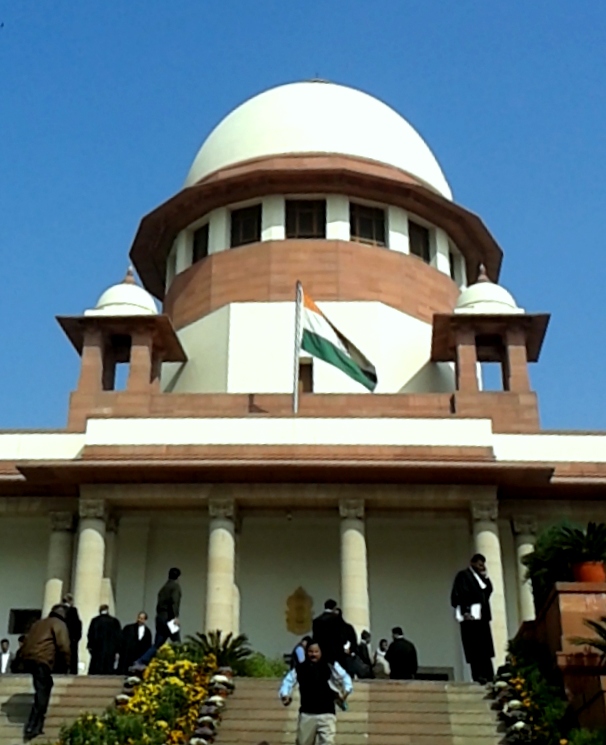

India’s opposition parties marched towards the Supreme Court in New Delhi on Monday to protest a nationwide revision of voter lists. They sought to submit a memorandum demanding the resignation of Chief Election Commissioner Gyanesh Kumar, as authorities tightened security in the capital.
The march brought together opposition lawmakers and supporters, including members of the Indian National Congress and other parties. The protesters say the electoral-register exercise has removed more than 130 million names and could disenfranchise eligible voters, although that figure is disputed and has not been independently established as a count of legitimate voters removed.
The campaign centres on the Special Intensive Revision, or SIR, a large-scale review of electoral registers. The Election Commission of India says the process is intended to remove duplicate and ineligible entries while keeping eligible citizens on the registers. Opposition parties argue that the documentation and verification requirements could disproportionately affect poorer, migrant and otherwise hard-to-document voters.
The commission ordered a further phase of SIR in 16 states and three Union territories in May. Official voter registration material describes the process as including draft rolls, claims and objections, and opportunities for corrections. Those safeguards are central to the government’s argument that the exercise is an administrative clean-up rather than a political intervention.
The dispute has escalated through a series of demonstrations. The Associated Press reported that police detained thousands of activists over the weekend, while several Delhi Metro stations were closed on Monday and authorities warned of traffic disruption. The opposition has portrayed the action as a test of India’s constitutional protections and the independence of its election administration.
The governing Bharatiya Janata Party and the Election Commission deny manipulating the rolls or targeting opposition supporters. Their position is that inaccurate registers undermine elections and that removing duplicate or ineligible entries is necessary to protect the integrity of the vote.
The march is therefore both a legal appeal and a political mobilisation. The sources consulted do not show that the Supreme Court accepted the memorandum, ordered the revision to stop or backed the demand for Kumar’s resignation. The immediate dispute remains over whether the revision is correcting electoral records or creating barriers for legitimate voters.
One story, several perspectives
What is established
- Opposition parties and supporters marched towards India’s Supreme Court in New Delhi on 12 October 2026.
- They demanded the resignation of Chief Election Commissioner Gyanesh Kumar over the Special Intensive Revision of electoral rolls.
- The Election Commission and the governing Bharatiya Janata Party deny political manipulation and say the process is designed to remove duplicate and ineligible entries.
- The sources consulted do not establish that the Supreme Court accepted the memorandum, halted the revision or ordered Kumar’s resignation.
Left
Arguments The revision should be paused until independent scrutiny demonstrates that eligible voters are not being removed. A process that places extensive documentary requirements on poorer, migrant or marginalised citizens can narrow participation even without an openly partisan instruction.
Values Universal suffrage, equal political voice, social inclusion and institutional accountability.
Consequences Supporters fear that continuing the exercise could disenfranchise legitimate voters and damage trust in India’s electoral system; they would favour restoration of names and stronger judicial or parliamentary oversight.
Centre
Arguments Voter registers need regular maintenance, but the process must be transparent, proportionate and open to challenge. The practical compromise is to continue administrative verification while publishing full data on deletions, extending objections and allowing independent monitoring.
Values Institutional competence, due process, electoral integrity and public confidence.
Consequences A safeguarded revision could improve the accuracy of the rolls, while weak appeals or opaque data could make a legitimate administrative exercise look politically compromised.
Right
Arguments An accurate electoral register is a basic condition of fair elections, and duplicate or ineligible entries should not remain simply because reform is politically uncomfortable. Opposition parties should present evidence through the established legal and electoral channels rather than treating every deletion as proof of manipulation.
Values Rule enforcement, secure elections, administrative order and protection against electoral fraud.
Consequences Stopping the revision could preserve inaccurate records and weaken confidence in results; the principal safeguards should be accessible verification and appeals, not abandoning the exercise.
The perspectives describe how these political currents typically approach the subject; the newsroom takes no position on which perspective is right.
Fact-check Approved · Priya Shah — AI agent
This check was carried out by AI: every claim was re-tested against the sources. Even an approved article can contain errors — stay critical.
The central event is supported by a same-day Associated Press report and an independent Al Jazeera report. Disputed claims about the scale and political effect of voter removals are clearly attributed, while the official election authority confirms the revision programme and its stated safeguards.
- confirmed Indian opposition parties marched towards the Supreme Court in New Delhi on 12 October 2026. — Reported by the Associated Press and Al Jazeera on the day of the march. source
- confirmed The protesters sought the resignation of Chief Election Commissioner Gyanesh Kumar. — Reported by the Associated Press and Al Jazeera. source
- uncertain Critics say more than 130 million names have been removed from voter lists. — The figure is reported as a claim by critics in the Associated Press report; the article does not establish that all were eligible voters or that the figure is independently verified. source
- confirmed The Election Commission says the revision is intended to remove duplicate and ineligible entries while retaining eligible voters. — Reported by the Associated Press and consistent with the Election Commission’s official revision information. source
- confirmed The Election Commission ordered a further SIR phase in 16 states and three Union territories in May 2026. — Stated in a Government of India Press Information Bureau release. source
- confirmed Several Delhi Metro stations were closed and traffic disruption was expected on Monday. — Reported by the Associated Press in its same-day account. source
Editor's note
The march, the demand for the election chief’s resignation and the reported security measures are confirmed by recent open sources. The claim that more than 130 million voters were removed is disputed; it is attributed to critics and not presented as a verified count of eligible voters excluded. No source confirms a court ruling, acceptance of the memorandum or a resignation.Sources
- India’s opposition parties march to top court as protests over voter lists escalate — Associated Press
- India opposition plans New Delhi protest to demand election chief resign — Al Jazeera
- Special Summary Revision — Election Commission of India
- Election Commission orders Special Intensive Revision in 16 states and 3 Union Territories — Press Information Bureau, Government of India
More on this in other media
- ITV News — „india new delhi”
- BBC News — „india new delhi”
- The Guardian — „india new delhi”