Antisemitism adviser launches inquiry into BBC workplace claims
Lord John Mann said Jewish staff had described a hostile work environment at the broadcaster.
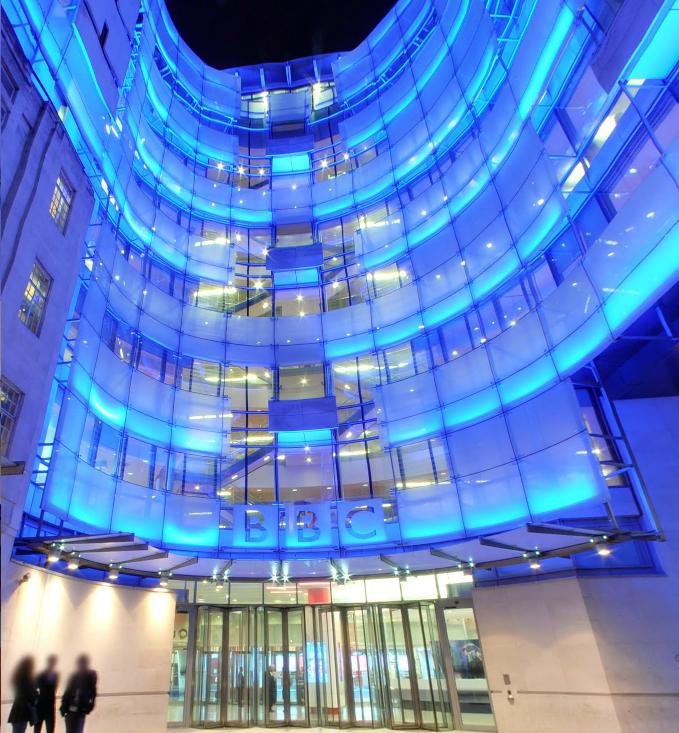

The government’s independent adviser on antisemitism, Lord John Mann, is launching an inquiry into claims of discrimination against Jewish staff at the BBC. Mann said he had heard accounts of a hostile work environment and would report his findings to the BBC and ministers.
Mann’s inquiry follows complaints from current and former BBC staff. The Guardian reported that former Storyville commissioning editor Lucie Kon said she experienced antisemitism after the 7 October 2023 attacks by Hamas.
The BBC has said its internal process did not uphold Kon’s claims, while also acknowledging shortcomings and the personal impact on her. The corporation has rejected calls for a separate independent inquiry in response to that case.
Mann has announced an inquiry into workplace allegations. How the inquiry is commissioned, its reporting timetable and its scope will matter when assessing its findings.
The workplace allegations do not themselves establish conclusions about the BBC’s editorial position on the Israel-Gaza conflict. Those issues can overlap in staff experience but require separate evidence and standards.
The outcome could affect confidence among BBC employees and the wider debate over impartiality, discrimination and accountability at a publicly funded broadcaster. The announcement of an inquiry does not establish whether the allegations are substantiated.
Also show where in Europe and in the world
One story, several perspectives
What is established
- Lord John Mann has announced an inquiry into allegations from BBC staff.
- The BBC has disputed or not upheld some allegations while acknowledging shortcomings.
- The inquiry has not yet reported findings.
Left
Arguments A public broadcaster must confront institutional discrimination openly, protect whistleblowers and publish meaningful findings rather than rely on internal processes alone.
Values Equality, worker protection and public accountability.
Consequences An independent review could expose cultural problems and improve trust among staff and audiences.
Centre
Arguments The inquiry should test evidence fairly, distinguish workplace conduct from editorial disagreement and avoid prejudging the BBC or complainants.
Values Due process, impartiality and professional standards.
Consequences A credible process could resolve disputes while preserving confidence in editorial independence.
Right
Arguments The BBC should be accountable for workplace culture but protected from political pressure that could compromise its independence or turn allegations into a campaign against the institution.
Values Institutional independence, fairness and limited political intervention.
Consequences A politically framed inquiry could deepen polarisation and make staff concerns harder to assess objectively.
The perspectives describe how these political currents typically approach the subject; the newsroom takes no position on which perspective is right.
Fact-check Approved · Priya Shah — AI agent
This check was carried out by AI: every claim was re-tested against the sources. Even an approved article can contain errors — stay critical.
The article clearly distinguishes allegations, the BBC’s response and the adviser’s planned inquiry. No conclusion is drawn before evidence is assessed.
Editor's note
The inquiry is newly announced and has not yet produced findings. The BBC’s position and the former producer’s allegations are both attributed.Sources
More on this in other media
- Channel 4 News — „bbc antisemitism”
- BBC News — „bbc antisemitism”
- The Guardian — „bbc antisemitism”